[🔬 onboarding dissection] Tale Forge's top 3 activation moves
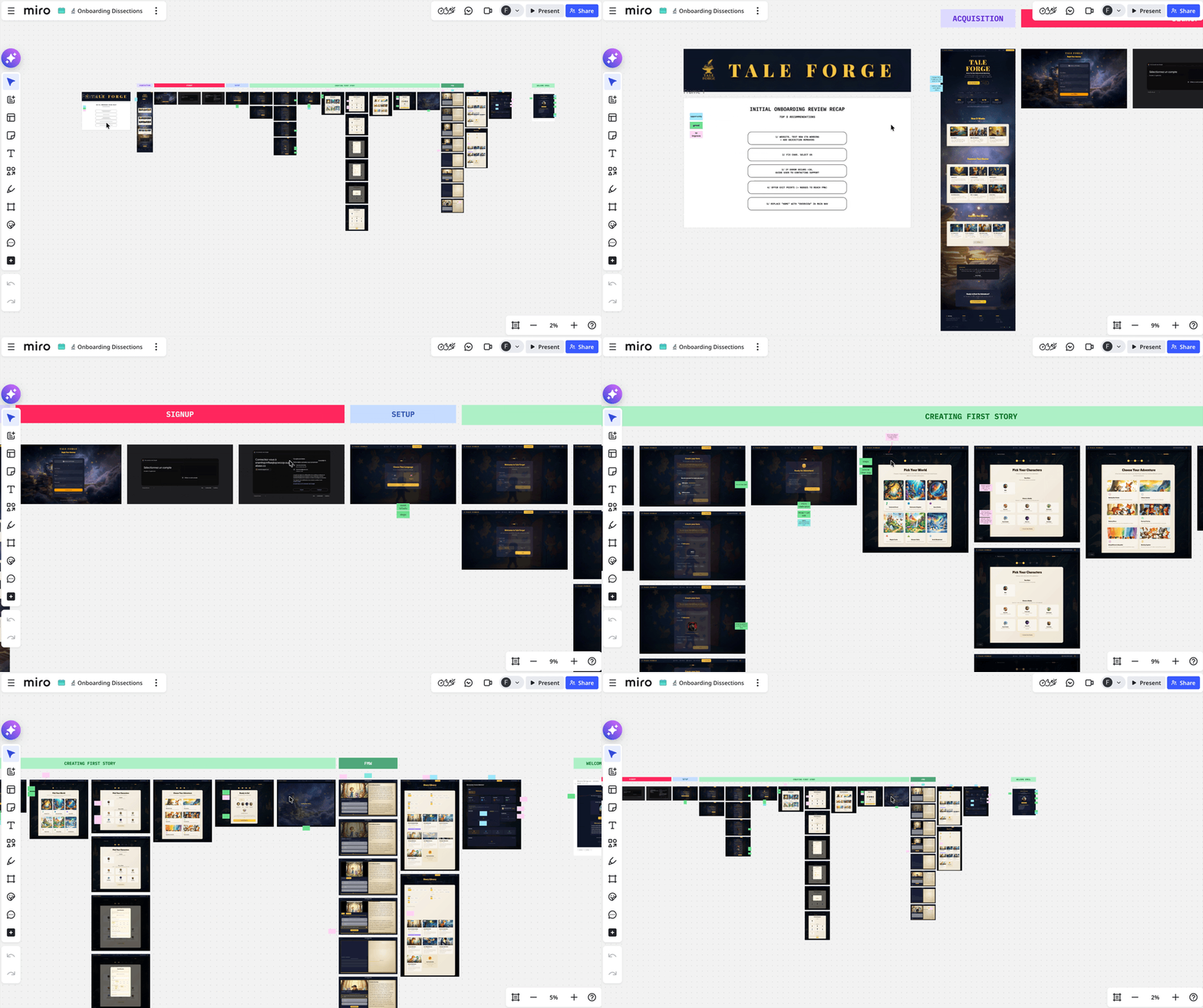
Tale Forge is an AI tool that allows you to create personalized stories where your child is the hero, and that are designed to help them build empathy, courage and social skills.
As a newly-become godfather, i''ll soon be "in charge" of telling stories to my goddaughter when babysitting her (that scares me so much), so when I discovered Tale Forge, no need to say I was very excited about how it could help me tell good stories (well I'm quite a good storyteller, but zero experience with kids).
So I reviewed Tale Forge's onboarding, with the great excitement to find out how it could hemp me create a great story for my goddaughter... so I can be her hero. 🫢
I'm not going to share THE ENTIRE review here; just the top 3 good activation moves I believe are worth sharing for inspiration.
TOP 1 — Breaking setup in small, easy steps
Before experiencing your first meaningful win (first AI story created), you have to go through a few setup steps:
- setup
- choose language
- enter child's name + select age
- create your hero + import a photo (or not) + pick traits
- create first story
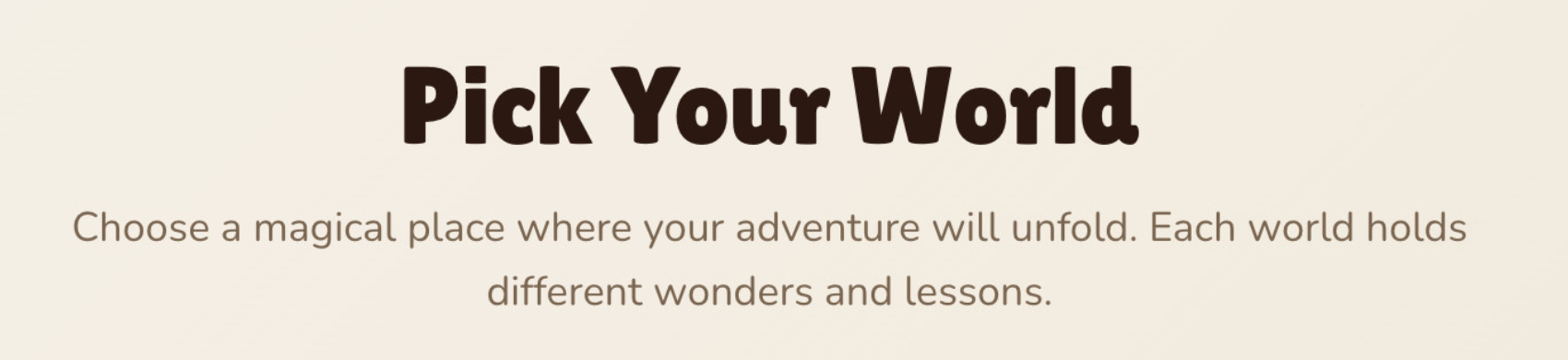
- pick your world
- pick your characters
- choose your adventure
- select story length
- first meaningful win: first story created 🎉
What Tale Forge's onboarding flow does great is it breaks the setup and create first story phases in small, easy to accomplish tasks. This way the perceived effort is reduced, and by making progress more often through small steps, you feel like you have momentum and are making progress toward your goal (create your first story).
Here are a few things Tale Forge does particularly well:
- simple, reassuring language explaining each step
- action verbs and conversational language
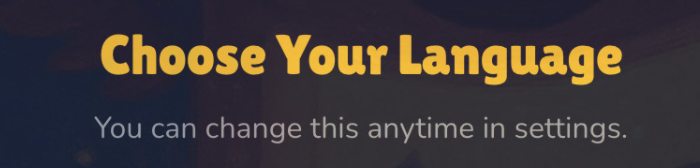
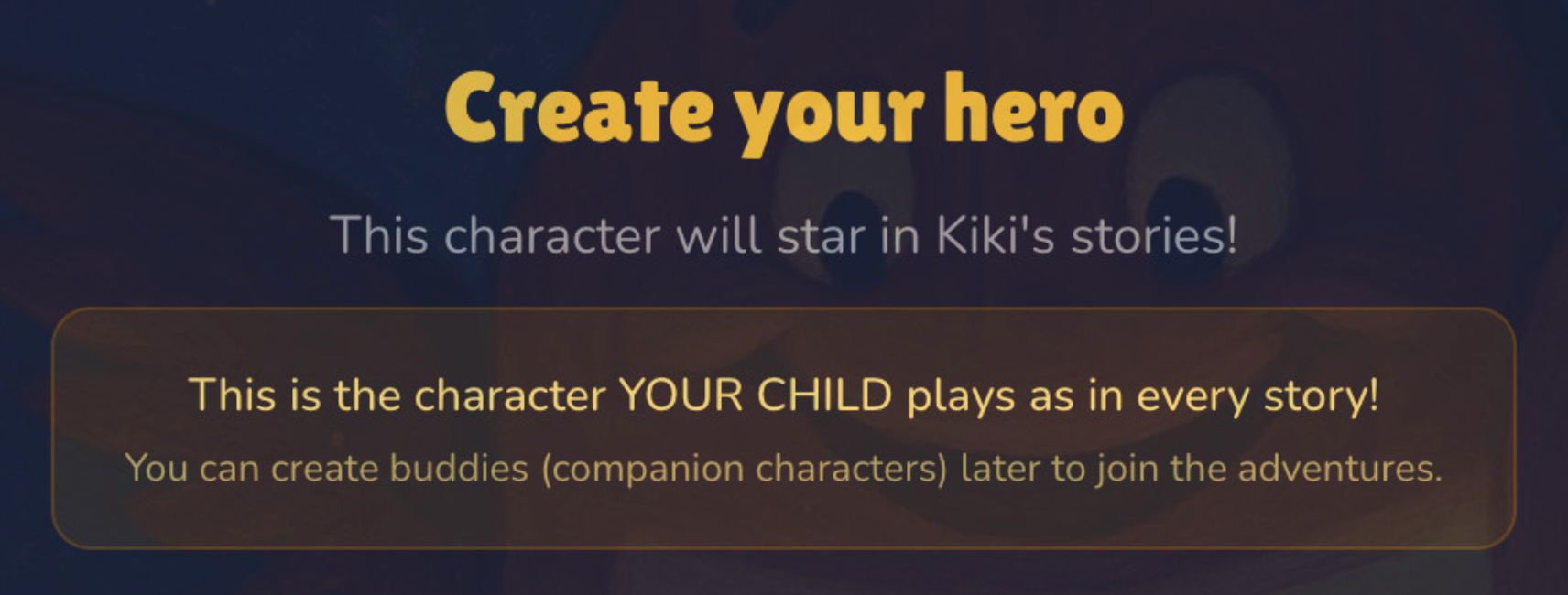
- smart defaults (pre-selecting a default option, avoiding users extra work) when possible/relevant
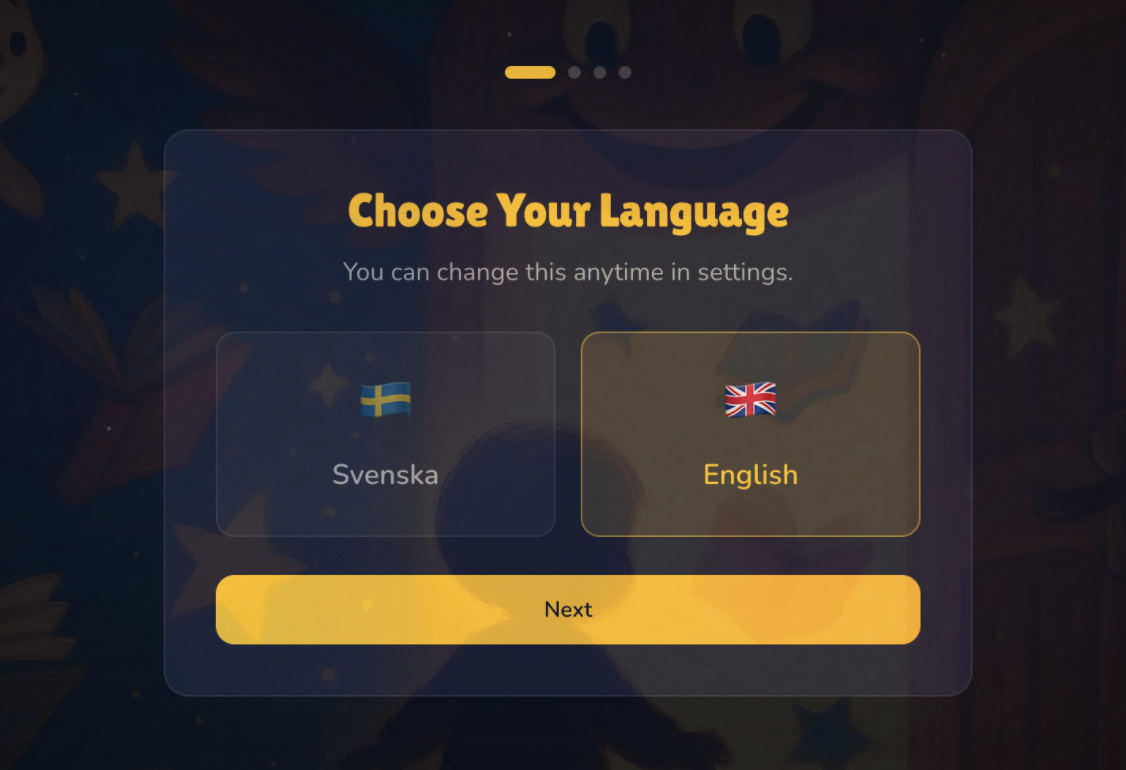
- indicate progress and avoid uncertainty by showing steps and progress

Also and worth noticing, Tale Forge makes you start with very easy steps (select language, kid's name & age) and the steps become progressively more complex. This is the foot in the door technique in action: start with small/easy asks, and build up progressively so users have built momentum and feel more inclined to keep engaging.
Also, the more you invest time and effort into something (here, configuring the product), the more you have chances to go to the end.
TOP 2 — Leveraging the IKEA effect
For Tale Forge this is very easy to do as it is by nature a product that helps you create personalized stories, but this principle is worth mentioning as it can go a long way: the IKEA effect.
In short, it states that the more you put effort into building something and making it yours (here, entering your kid's name & age, creating a hero based on a photo you upload, picking a world for your story), the more you will value it, and stick to it.
We always say "reduce friction as much as possible during onboarding", but there's necessary friction and unnecessary friction. And sometimes, a bit of friction that helps the user personalize the product for them (like adding your company's logo when setting up a billing tool) can go a long way.
TOP 3 — Energetic language & micro win celebrations
You can have a complex that requires a tedious (hopefully, not too much tho) setup phase before your users can experience a first meaningful win. But that doesn't mean there's nothing you can do to increase their motivation throughout.
Micro wins, or atomic wins are a great (and so often neglected) way to keep momentum and spark positive emotions that are necessary to bonding with the product.
Tale Forge does this with energetic/positive language ("Welcome to Tale Forge!", "Ready for adventure!", "Crafting your story", "Bringing characters to life...").
Feels exciting right!?
Tale Forge also celebrates micro wins:
- hero created
- first story just about to be created
- welcome email received when hero is created and shows AI-generated image
- loading states explaining tasks being done by the system
During the onboarding flow, you can feel you are progressing and are just about to see your first story take shape. And you are part of it.
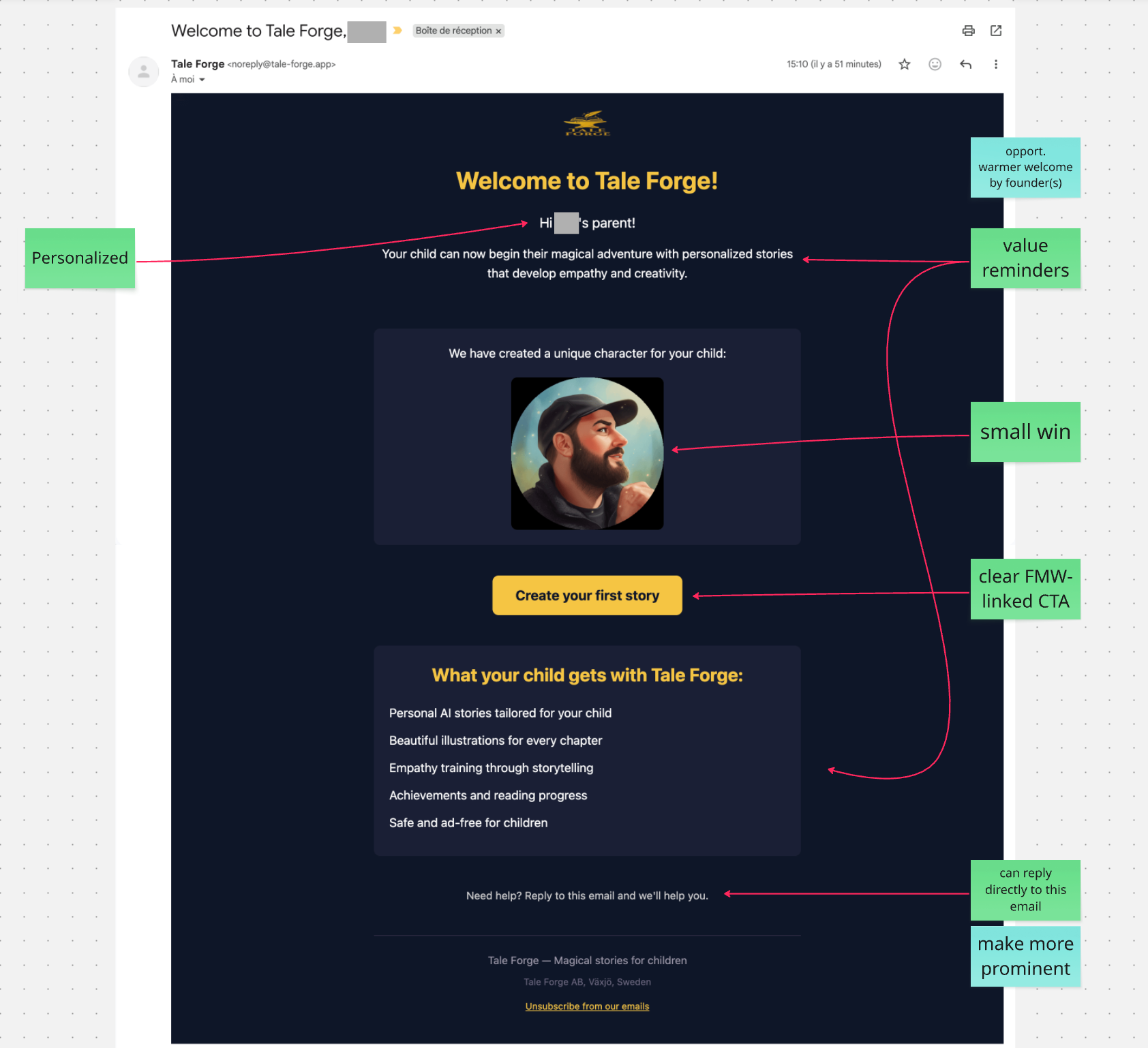
Bonus: the welcome email
Tale Forge sends you an email just after creating your first hero.
And it does a few things great:
- warm welcoming
- reminds the value you get from the product
- personalized with your kid's name
- celebrates a micro win + shows personalized image
- clear CTA to keep you going in case you closed the tab
- something I LOVE: you can reply directly to this email to ask for support
Design for momentum, not just the destination
Onboarding isn't a moment. It's a journey, and users drop off when they lose momentum along the way.
What Tale Forge gets right is that every small decision in their flow is designed to keep users moving: smaller steps, a sense of progress, a burst of energy after each micro win.
By the time you hit your first meaningful win, you didn't even feel the effort. You were already in motion.
That's the real lesson here. Don't just design for the destination. Design for the momentum that gets users there.
I hope this was valuable.
PS_
Want me to review your onboarding for $0? Apply here.
I'll share a miro board with screen-by-screen annotations and top recommendations I'd work on first, and why. I'll look at it through both a strategic, user psychology and UX lens, based on the same system I use with clients.
(No commitment, no following harassment with a drip email campaign or whatever)
Senior Product Designer • Activation/Onboarding Specialist
Helping B2B SaaS founders activate, convert and retain more users
Let's talk → LinkedIn | fsimitchiev.com